Understanding Urban Ecosystems
Cities are complex socio-ecological systems in which the spatial arrangement of buildings, streets, green spaces, and waterways shapes the flows of energy, materials, and people.
Building upon the pattern–process–function relationships, the Comparative Ecology of Cities project aims to investigate how urban form influences social and ecological functions, and to translate these insights into evidence-based strategies for urban policy and design.
Project Overview
The Comparative Ecology of Cities project is a research initiative under the Future Cities Laboratory at the Singapore-ETH Centre, bringing together an interdisciplinary team spanning ecology, environmental engineering, urban planning, and socio-economic research.
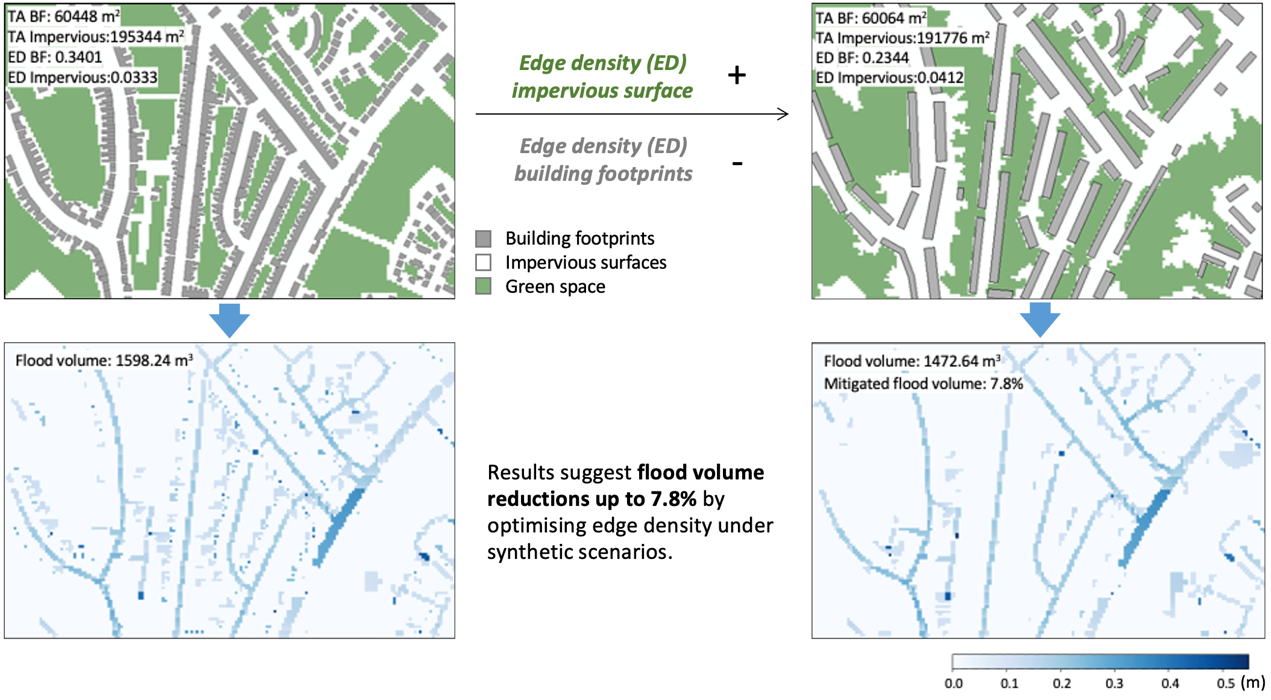
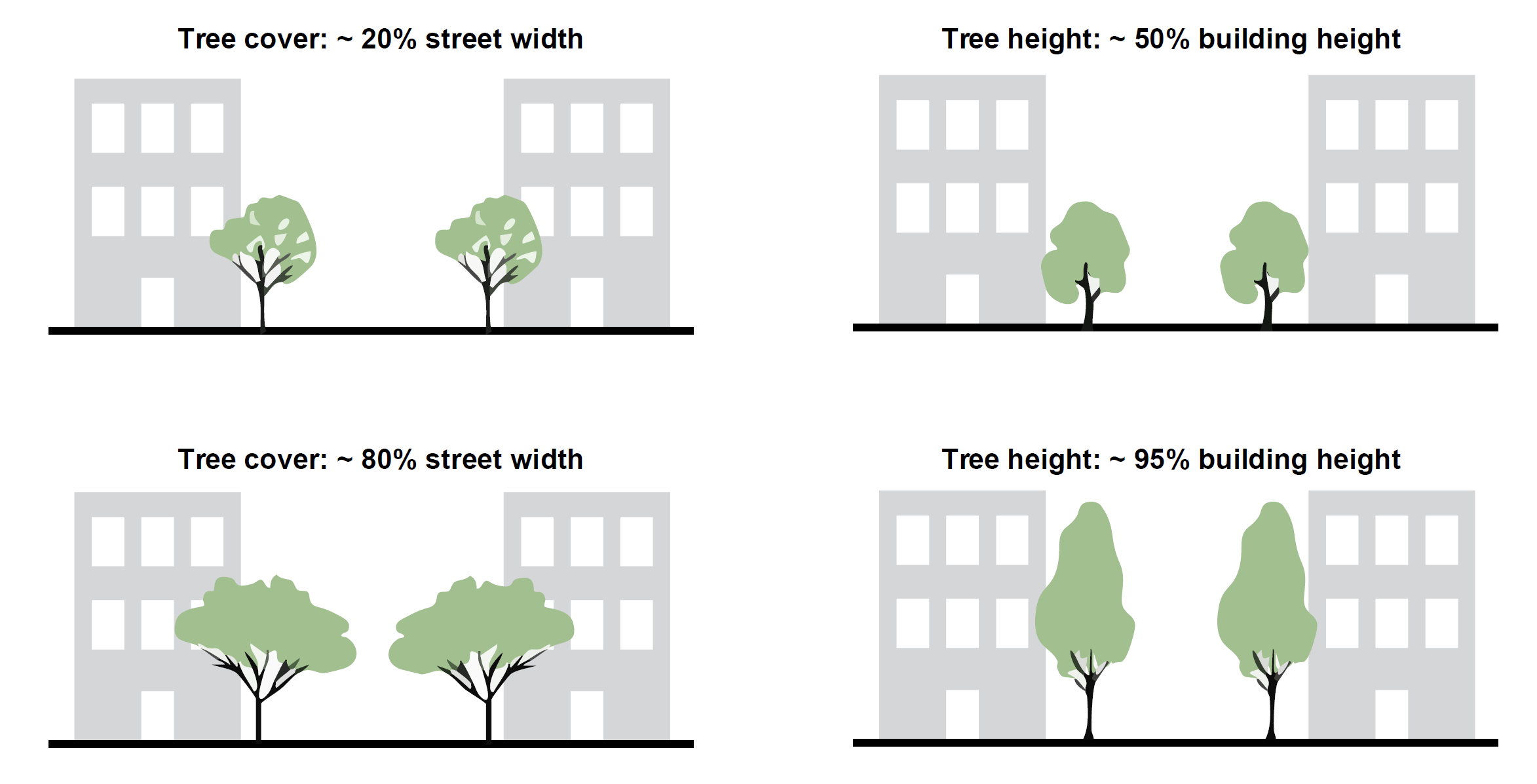
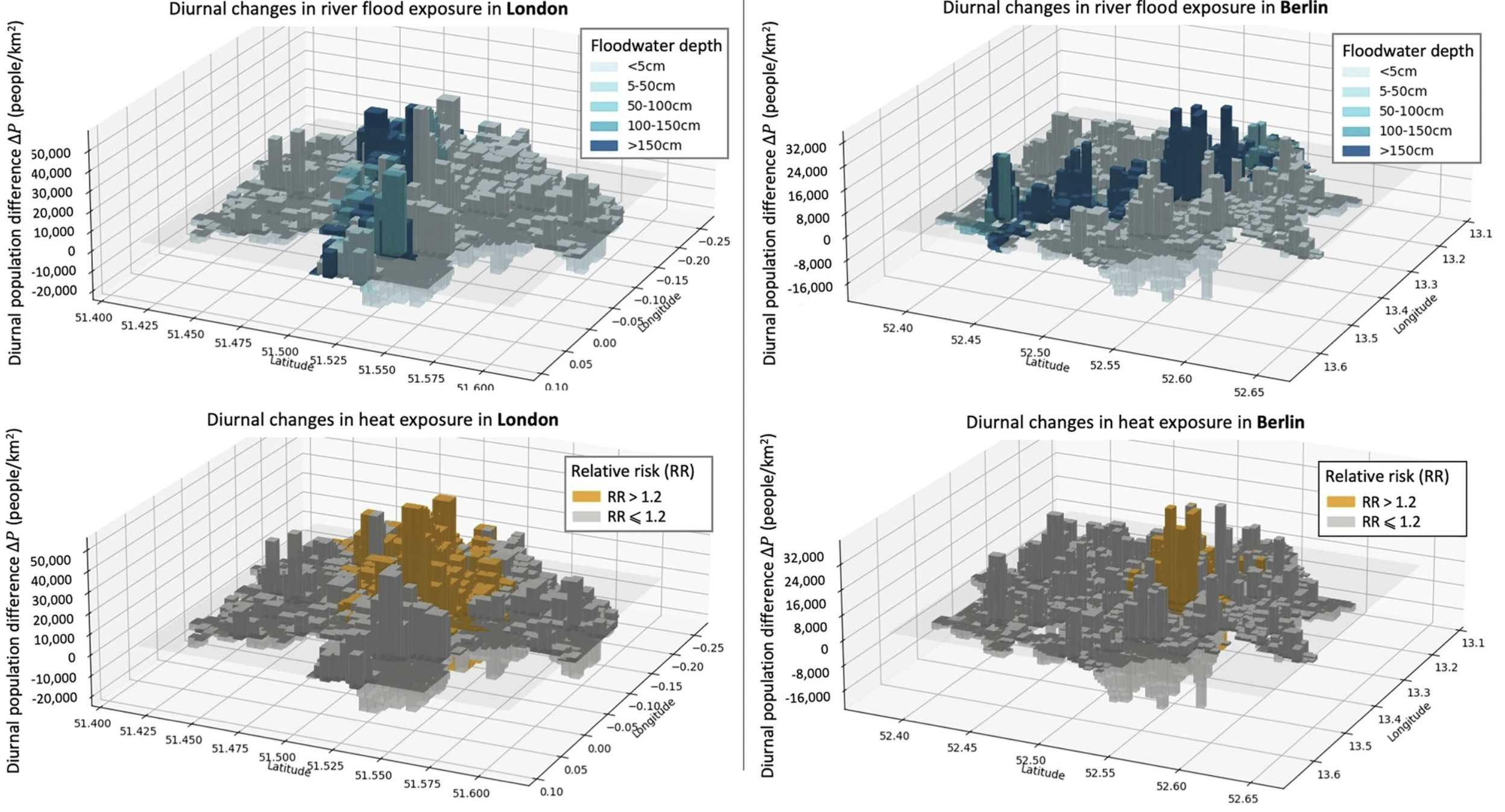
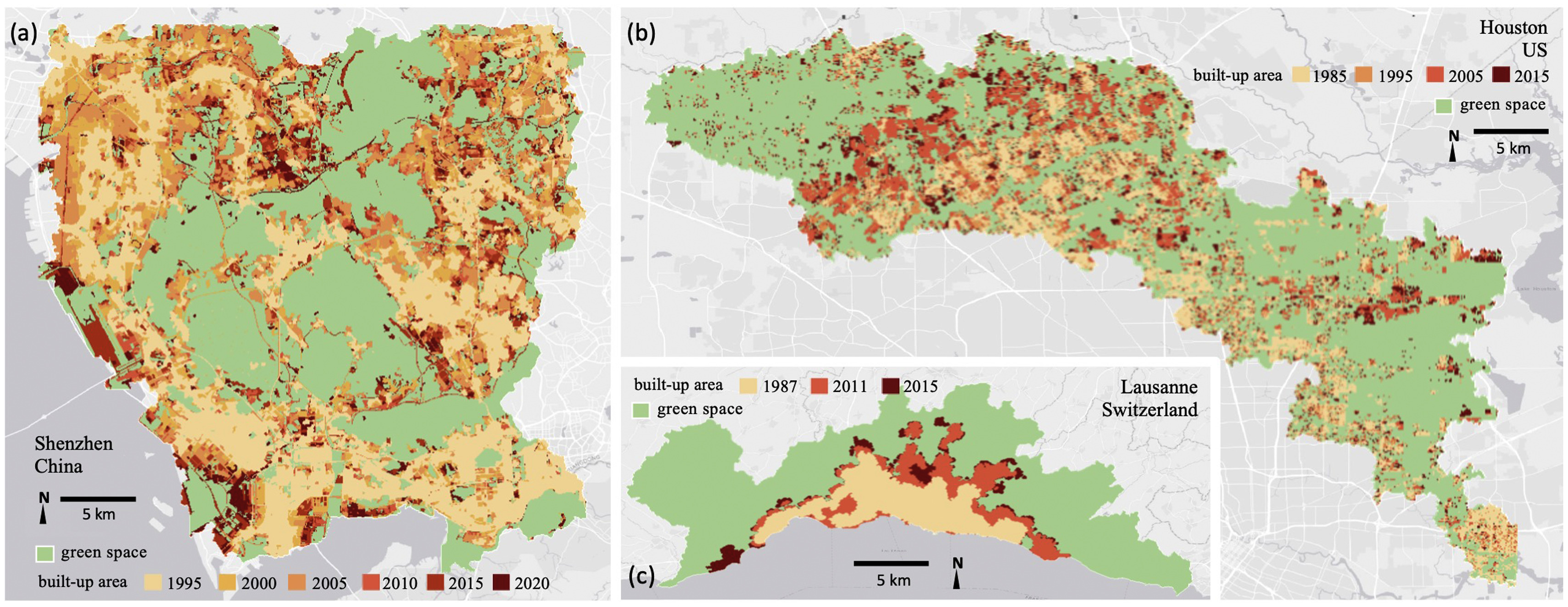
Using remote sensing and spatial datasets to characterise the urban form of more than 100 cities, the project combines socio-ecological theory, climate and flood modelling, and machine learning to quantify the impacts of urban form across five domains, namely biodiversity, climate and energy, flooding, health, and socioeconomics. The project reveals universal principles while recognising the unique characteristics of each urban environment, and suggests place-based strategies to support sustainable urban development.